 Skip to content

That’s Not My Neighbor
A paranoid doorman sim where you check every visitor's ID and entry details against building records, letting residents in and keeping doppelgangers out.
If You Liked This















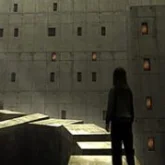






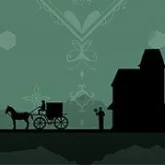


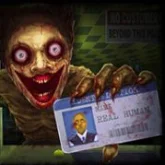





The ID card in That’s Not My Neighbor does not prove anything on its own. A visitor can hand you a perfectly normal card and still be a doppelganger, which is why your job as the building’s doorman is to compare every detail, from the photo to the apartment number, against the records on your desk.
| Genre | Paperwork horror, deduction |
| Role | Doorman of an apartment building |
| Key tools | ID cards, entry requests, resident files, phone |
| Modes | Story days and Nightmare mode |
Working the Door in That’s Not My Neighbor
Each visitor walks up to the window and asks to be let in. You check their ID, their entry request and the building’s resident files, then decide whether to open the door or call the Doppelganger Detection Department. One wrong approval can let something very wrong into the building.
The phone is one of the most useful tools. Calling the apartment a visitor claims to belong to can confirm whether that resident is actually at home, which exposes some copies instantly.
Detail-oriented players feel right at home here, since the whole loop is about catching small mismatches. Players looking for action may find the paperwork slow at first.
Classic Doppelganger Tells
Doppelgangers are rarely obvious. The community has collected a list of common giveaways that show up again and again.
- Missing or expired documents on the entry request.
- A name, apartment or photo that does not match the resident file.
- Strange physical details such as odd teeth, eyes or skin marks.
Early days are forgiving, with only one tell per copy. By later days, visitors stack subtle errors and real residents sometimes look suspicious, so rushing becomes dangerous.
Memory becomes a weapon in the later days. Players who remember which residents left the building earlier can catch copies without even reaching for the phone.
Days, Endings and Nightmare Mode
The story runs across a series of workdays, and your accuracy shapes how things turn out. Letting too many doppelgangers through has consequences for the building and its residents.
Nightmare mode is the community’s favourite challenge. Visitors arrive faster and tells become harder to spot, which turns a careful paperwork game into a frantic test of memory.
The most debated part is how subjective some physical tells feel. Players argue over whether certain features are real clues or just art style, and that disagreement is part of why the game is so popular to watch.
What New Doormen Ask About That’s Not My Neighbor
- How do I check if a resident is really home? Use the phone to call the apartment listed on the ID. If the resident answers from inside the building, the visitor at your door is almost certainly a doppelganger.
- What should I do with a suspected doppelganger? Do not open the door. Instead, call the Doppelganger Detection Department so the copy is dealt with before it can get inside.
- Is Nightmare mode worth trying? Once you can clear the regular days without mistakes, Nightmare mode is the next step. It speeds up the visitors and hides tells more aggressively, so it rewards players who know the resident files well.
That’s Not My Neighbor turns a doorman’s window into a nonstop deduction puzzle, where one forgotten entry request or a wrong apartment number lets a doppelganger walk past you. Check the files, use the phone and trust nothing that only looks right.
