 Skip to content

Story Games





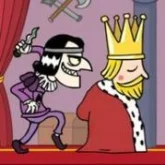
Where Narrative Leads
Story Games put narrative first. Here you will find visual novels, interactive fiction and choice-driven experiences from independent writers, where reading, deciding and reflecting matter more than fast reflexes. Some are sweet, some are sad, and a few hide something unsettling behind a friendly cover.
Why Narrative Comes First
In many titles, the plot is only a frame around action. Story Games flip that relation. The text, characters and choices are the main event, and every mechanic exists to support what the author wants to say. Independent writers use this format to explore topics that larger studios rarely touch: grief, loneliness, guilt, first love or the strange feeling of talking to a machine.
Because the focus is on words and characters, the pace is set by you. You can read slowly, reread a scene or stop at a cliffhanger and come back later.
Forms You Will Find Here
- Visual novels – illustrated characters, dialogue boxes and branching routes.
- Interactive fiction – text-heavy experiences where words are the world.
- Choice dramas – decisions that change relationships and endings.
- Detective tales – stories built around clues and conversations.
- Short vignettes – compact pieces that can be finished in one sitting.
When a Club Becomes Something Else
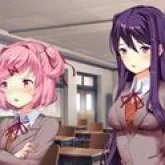
Doki Doki Literature Club is one of the most famous examples of what this shelf can offer. It starts as a cheerful school club story and gradually turns into something far darker. Players often recommend going in knowing as little as possible.
A note on content: some Story Games in this section deal with disturbing themes, so read the warnings creators provide before you begin.
Branches, Loops and Many Endings
Replay value is a big strength of the format. In Slay the Princess, each choice reshapes the next chapter, and the narrator reacts to what you did before. Seeing how a single decision splits the plot is half the fun.
- Play the first route without a guide.
- Note which choices felt important.
- Replay and pick the opposite option at key moments.
- Compare endings to understand the full picture.
Solving Cases Through Conversation
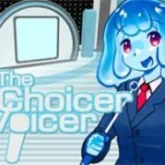
Mystery fans have their own corner here. Detective Dan puts you in charge of an investigation where questions and observations move the case forward. Listening carefully to each character pays off when it is time to name the guilty party.
Detective Story Games reward a good memory. Small slips in a witness statement often matter more than the obvious evidence on the table.
Small Stories With Big Feelings
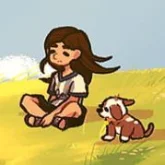
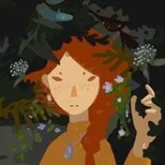
Not every title needs hours. Petal by Petal and similar vignettes deliver a complete emotional arc in a short session. These pieces are ideal when you want something meaningful but only have a spare moment.
Short Story Games also make a good introduction for people who have never tried interactive fiction. They show what the format can do without asking for a big time investment.
Getting More From Every Chapter
- Turn off auto-skip on the first run so you do not miss details.
- Read character names and backgrounds; they often foreshadow twists.
- Save before major choices to explore branches later.
- Give a story a day before replaying – your view may change.
Who Reads These Stories
This section suits readers, fans of anime-style art, mystery lovers and anyone who likes to think about a plot long after it ends. Story Games also work well as a shared experience: friends often play the same title and compare decisions afterward.
Choices That Carry Weight
The strongest Story Games make you pause before clicking. A small reply to a character can close a route or open a new one hours later. Many indie writers hide consequences on purpose, so you only see the effect of a decision near the end. That delay is what makes a second run of the same game feel fresh.
Some Story Games also break the fourth wall. Characters may talk to you directly, comment on your save files or react to things you did in a previous attempt. These moments surprise first-time readers, and they are a big reason the format has such loyal fans.
Art, Music and Voice
- Character art – expressions change with the mood of each scene.
- Background music – tracks shift when the plot turns.
- Voice acting – some titles add spoken lines that bring characters closer.
- Text effects – shaking or glitching words signal tension.
These elements turn reading into a full experience. Story Games rely on them to set the pace, and each game uses them in its own way, from soft watercolor screens to harsh, distorted visuals. Story Games with strong presentation are often the ones players remember longest. A good soundtrack can make a quiet scene hit harder than any twist, and a single changed portrait can tell you a character is lying before the dialogue does. Paying attention to these signals makes every reread richer.
Story Games sit next to horror, puzzle and adventure shelves on Itchio GamesBox.com, so it is easy to switch moods when a chapter ends. Pick a title, settle in and let the author take you somewhere you did not expect.
