 Skip to content

The Pale Mimic
An atmospheric horror story set in the Alaskan wilderness, where a fugitive and his dog hide in a cabin while something outside learns to imitate their voices.
If You Liked This


























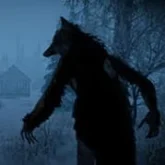
The whine at the cabin door in The Pale Mimic does not always come from your dog. That one detail sets the tone for the whole game: you are a high-profile fugitive hiding in the Alaskan wilderness with only your dog for company, and something out in the trees has learned to copy the sounds you trust most.
| Genre | Atmospheric survival horror |
| Setting | Alaskan forest and a lone cabin |
| Structure | Linear story with a definitive ending |
| Mode | Single player |
Life in the Cabin
The cabin is your only refuge, and much of the game is spent keeping it that way. You venture out into the cold forest, return before the light fades, and listen to what is happening outside the walls. Your dog is both company and an early warning system, which is exactly why the mimic targets that bond.
Unlike endless survival sandboxes, The Pale Mimic follows a narrative arc with a beginning and an end. Resource gathering and routine exist to create rhythm, not to keep you grinding for dozens of hours.
Story-focused horror fans tend to appreciate that structure. Every trip outside pushes the plot forward instead of resetting the same loop.
How the Mimic Hunts
The creature’s power is imitation. It can copy your dog whining to get the door opened, reproduce the sound of prey to pull you deeper into the woods, or use a familiar voice to lure you into a trap. Silence becomes reassuring, and every friendly sound becomes suspect.
Players learn to cross-check what they hear against what they see. Three habits come up again and again in discussions.
- Locate your dog visually before reacting to any whine.
- Treat sounds coming from the tree line at night as hostile by default.
- Move back toward the cabin when the forest goes unnaturally quiet.
By the later nights the mimicry grows bolder. The game starts testing whether you have learned these habits or still trust your ears.
Tension Over Jump Scares in The Pale Mimic
The horror leans on atmosphere. Snow muffles footsteps, the wind covers approaching movement, and long stretches pass where nothing attacks at all. That restraint makes the moments when the mimic does appear land harder.
The common criticism is pacing. Some players want more direct confrontation and feel the quiet sections drag, while others argue that the slow build is exactly what makes the sound-based scares effective.
Players who like audio-driven horror should use headphones. The difference is noticeable in three ways.
- Directional sound tells you where the voice really comes from.
- Small differences in a copied whine are easier to catch.
- The cabin’s creaks are part of the warning system.
What Players Want to Know About The Pale Mimic
Is there an ending or is it endless survival?
The game is a linear, narrative-driven experience with a definitive beginning and end. You are not surviving indefinitely; each night advances the story of the fugitive, the dog and the thing in the forest.
How do I tell the real dog from the mimic?
Never act on sound alone. Confirm your dog is physically beside you or visible before opening the cabin door, because the mimic specifically copies the dog’s whine to get inside.
Is the cabin completely safe?
The cabin is your refuge, but safety there is described as an illusion. The mimic uses voices and noises to pull you out or get you to open up, so the cabin is only as safe as your choices.
The Pale Mimic turns the most comforting sound in the wilderness, your own dog scratching at the cabin door, into the question that decides whether the fugitive survives another Alaskan night. Trust the dog you can see, not the one you hear.
